Amazonian Mushroom, Tracing the Origins and Scientific Background
· based on the channel Shroomverse
Key takeaways
- The Amazonian mushroom often refers to a specific Psilocybe species.
- Its scientific name and classification have been clarified through historic paper trails.
- The mushroom has cultural significance in Amazonian indigenous practices.
- Research involves taxonomy, molecular studies, and historical literature.
- Shroomverse provides detailed analysis and documentation sources.
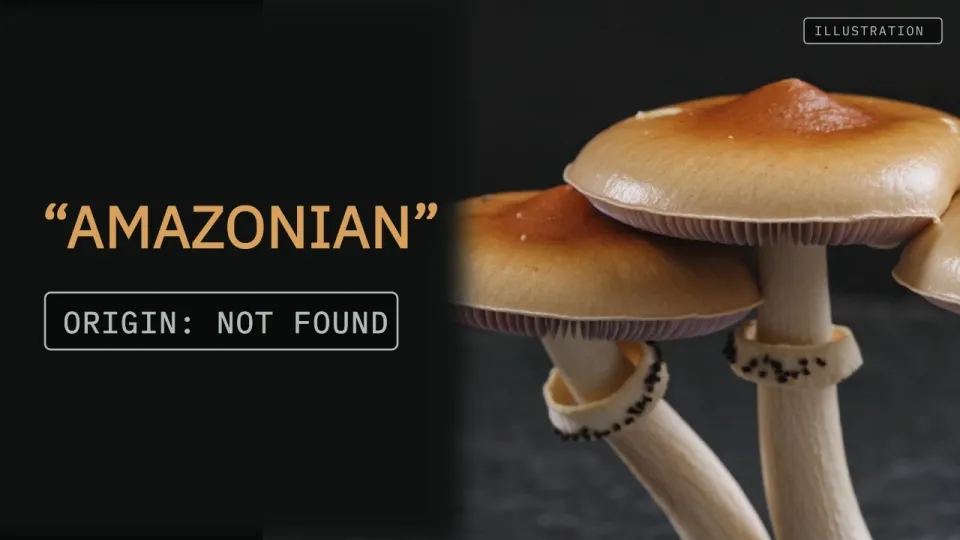
Video: Amazonian Mushroom: Following the Paper Trail Behind the Name
The Amazonian mushroom is commonly identified as a distinct species within the Psilocybe genus, known for its psychoactive properties and cultural importance in indigenous Amazonian communities. The name "Amazonian mushroom" refers to its origin in the Amazon rainforest region and the scientific efforts to trace its classification through historical documents and modern taxonomy.
Origin and Identification of the Amazonian Mushroom
The Amazonian mushroom is primarily associated with the Psilocybe genus, particularly species like Psilocybe cubensis variants growing in the Amazon basin. Early confusion existed due to overlapping local names and morphological similarities with other psychedelic mushrooms. However, researchers have used morphological features alongside molecular data to establish clearer taxonomic status. The species was originally documented in ethnomycological reports and herbarium records dating back decades, helping scientists follow its paper trail systematically 02:15.
Historical Documentation and Paper Trail
Tracing the Amazonian mushroom involves examining scientific papers, herbarium specimens, and ethnographic accounts. The species was first referenced in mycological studies from the Amazon region in the mid-20th century. These early documents helped differentiate it from related species by describing unique microscopic features such as spore size and cystidia shape. Later, DNA sequencing provided confirmation of its distinct genetic lineage. The paper trail also highlights the mushroom’s significance in indigenous rituals and traditional medicine practices 05:40.
Taxonomy and Molecular Studies
Modern taxonomy of the Amazonian mushroom combines classical microscopy with molecular phylogenetics. Researchers sequence regions like ITS rDNA to determine genetic relationships within Psilocybe species. The Amazonian mushroom clusters closely with Psilocybe cubensis but shows clear genetic markers that justify its separation as a distinct variant or species. These findings help refine the classification system and aid in biodiversity conservation efforts. Molecular data also assist in resolving nomenclature conflicts found in older literature 08:55.
Cultural and Ethnobotanical Context
The Amazonian mushroom holds deep cultural value among indigenous groups in the Amazon rainforest. It has been used traditionally for spiritual ceremonies, healing, and divination. Ethnobotanical studies provide insight into local names, preparation methods, and ritual significance. These cultural dimensions underscore why accurate scientific identification and taxonomy are crucial for respecting indigenous heritage and promoting sustainable use 12:30.
Challenges in Research and Conservation
Despite advances, studying the Amazonian mushroom faces challenges such as habitat loss, limited access to remote areas, and legal restrictions on psychedelic fungi research. Conservationists emphasize preserving Amazonian ecosystems to protect these mushrooms and their native communities. Ongoing interdisciplinary collaboration between mycologists, ethnobotanists, and indigenous peoples remains essential for comprehensive understanding and responsible stewardship 15:20.
Conclusion
The Amazonian mushroom represents a fascinating subject combining taxonomy, ethnobotany, and conservation science. By following the paper trail behind its name, researchers clarify its identity, document its cultural importance, and support efforts to protect its natural habitat. The Shroomverse channel provides a valuable analysis of these topics, highlighting the intersection of science and tradition in the study of Amazonian mushrooms.
Source: Amazonian Mushroom: Following the Paper Trail Behind the Name · Markdown version
Questions & answers
What species does the term 'Amazonian mushroom' refer to?
It generally refers to a species within the Psilocybe genus, closely related to Psilocybe cubensis, native to the Amazon rainforest.
How was the Amazonian mushroom scientifically classified?
Through morphological analysis and molecular phylogenetics, researchers have identified unique genetic markers distinguishing it as a distinct species or variant.
What is the cultural significance of the Amazonian mushroom?
Indigenous Amazonian communities use it in spiritual and healing rituals, making it an important ethnobotanical species.
What challenges exist in researching the Amazonian mushroom?
Challenges include habitat destruction, legal restrictions on psychedelic fungi research, and difficulties accessing remote Amazonian regions.